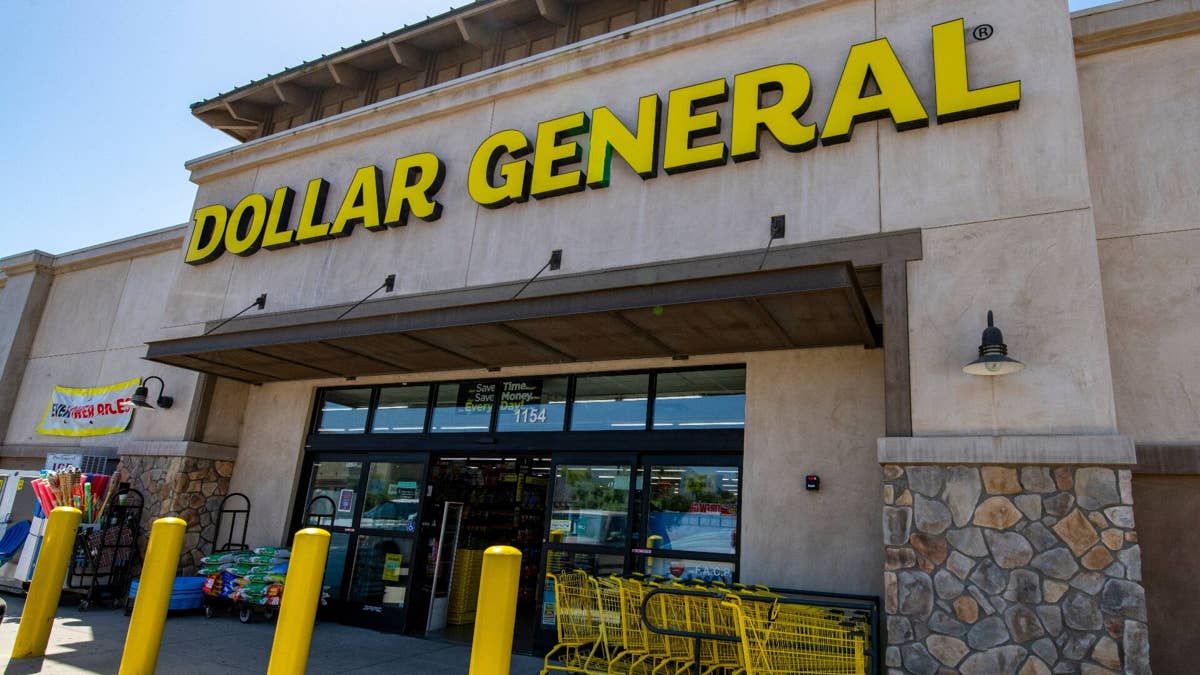
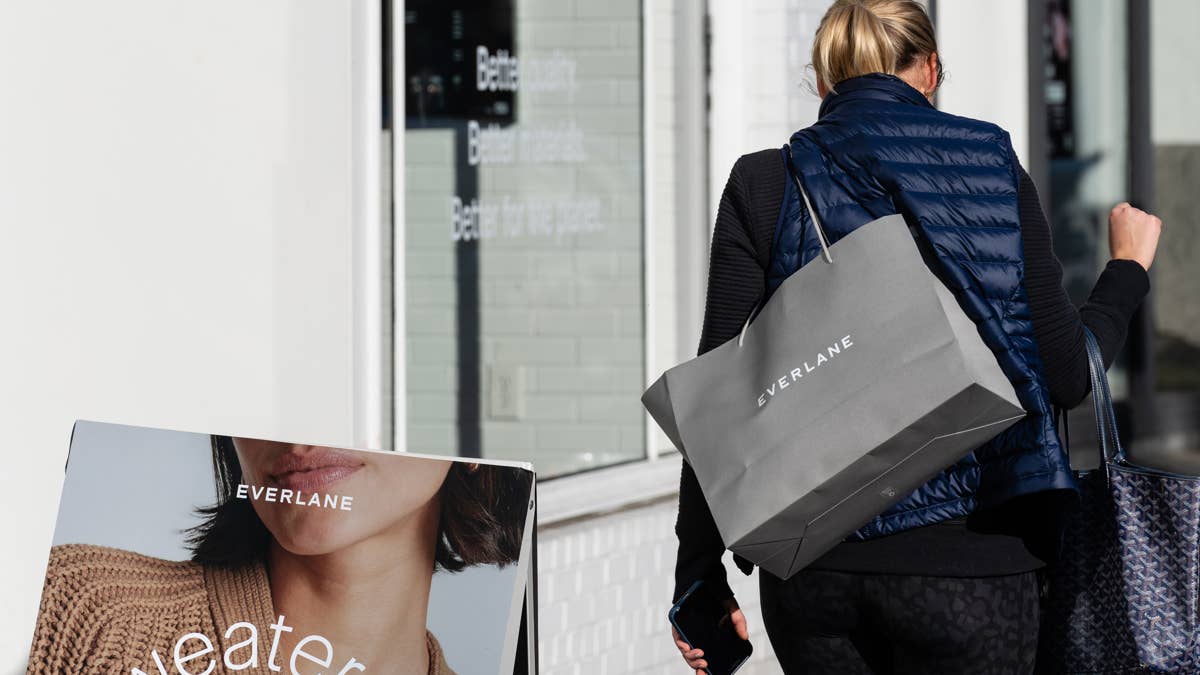
For years, two brands stood on completely opposite sides of the fashion retail industry.
One built its empire on ultra-low prices, rapid trend cycles, and mass production. The other became a symbol of ethical consumerism, building its reputation around transparency, sustainability, and timeless wardrobe essentials.
Now, in one of the most unexpected fashion deals in recent years, those two worlds are officially colliding.
As pressure intensifies across the retail industry, the line between sustainability and scale is blurring. Brands once defined by niche positioning and direct-to-consumer growth are now facing the much harsher reality that profitability, operational efficiency, and survival are becoming just as important as brand identity.
That shift became even more apparent after Shein revealed its acquisition of Everlane, a move that could reshape both companies while testing how far consumers are willing to separate sustainability messaging from the realities of modern fashion manufacturing.
Shein acquires Everlane
Shein has officially acquired direct-to-consumer (DTC) fashion brand Everlane, though the financial details of the transaction were not publicly disclosed.
According to Puck, the deal is reportedly valued at approximately $100 million, a steep decline from the estimated $600 million valuation for Everlane’s acquisition by private equity firm L Catterton in 2020.
Despite the acquisition, Everlane says it will continue operating independently while maintaining its commitment to sustainability, product quality, and ethical sourcing practices.
In a letter published by The Business of Fashion, Everlane CEO Alfred Chang said the partnership would allow the company to expand globally without abandoning its core identity.
“We are entering this next phase with expanded global reach, new capabilities, and greater opportunities to bring our mission and products to more customers around the world,” said Chang. “This partnership creates incredible new possibilities to accelerate that vision and with greater reach, while staying grounded in our core principles.”
Why the Everlane acquisition feels so contradictory
At first glance, the acquisition appears deeply contradictory.
Everlane built its brand around transparency, ethical production, and minimalist basics designed to last. Meanwhile, Shein became one of the world’s largest fashion retailers through ultra-fast product cycles, low-cost apparel, and aggressive trend-based merchandising.
Since expanding globally in 2015, Shein has rapidly gained market share by offering consumers a massive selection of inexpensive fashion products, particularly appealing to younger and budget-conscious shoppers.
At the same time, the company has faced years of criticism surrounding labor conditions and supply chain oversight. Advocacy organizations and investigations, including reports cited by Anti-Slavery International, have raised concerns about alleged labor violations and broader human rights issues in parts of Shein’s supplier network.
In response, Shein has increasingly emphasized operational reforms and supplier improvement initiatives to strengthen manufacturing standards and rebuild public trust.
Shein’s push toward sustainability and supply chain reform
One of Shein’s initiatives is its Supplier Community Empowerment Program (SCEP), launched in 2023.
Shein has invested more than $42 million into long-term supplier improvements by the end of 2025, according to a company announcement. The company says the program has funded upgrades across more than 200 supplier factories, including redesigned production layouts, improved material flow systems, and more adaptable manufacturing spaces.
Shein also said the changes have improved working conditions for approximately 33,600 workers through its supplier network.
Critics remain skeptical that these efforts fully address concerns surrounding ultra-fast fashion production. Still, the Everlane acquisition could represent a broader attempt by Shein to reposition itself as a more credible and sustainability-focused global retailer.
For Shein, acquiring Everlane provides more than simply adding another fashion label to its portfolio. The deal gives the company access to an established brand identity rooted in ethical consumerism, an increasingly valuable asset as sustainability becomes a larger factor in consumer purchasing decisions.
Why Everlane may have accepted the deal
Although some longtime customers may view the acquisition as a reputational risk for Everlane, the partnership also offers significant strategic advantages for the struggling DTC retailer.
Everlane now gains access to Shein’s global logistics infrastructure, manufacturing scale, operational efficiency, and financial resources, areas where many independent fashion brands have struggled in recent years.
Founded in 2011, Everlane helped pioneer transparency-focused retail by openly sharing production costs, factory information, sourcing details, and pricing breakdowns with customers. Its minimalist branding and premium basics helped attract consumers seeking an alternative to traditional fast fashion.
However, the same DTC model that initially fueled Everlane’s rise also exposed the company to mounting industry pressures.
Like many independent fashion brands, Everlane has faced slowing consumer demand, rising operational costs, and significantly higher customer acquisition expenses in recent years.
Operating independently gave the company greater control over branding and product development, but scaling that model became increasingly difficult without the financial backing of a larger retail group.
That challenge ultimately contributed to Everlane’s sale to L Catterton in 2020.
Jade Sarita Arnott, founder of the Arnsdorf fashion label, summarized the broader issue in an interview with Harper’s Bazaar Australia.
“The challenges mainly come down to resources,” said Arnott. “Not having enough capital to grow and scale and create enough reach.”